A quieter page
Relaxation, Coping and Emotional Wellbeing
Some of what helps people is not clinical at all. It is the ordinary business of being able to settle, of having a few reliable ways to respond when things feel heavy, and of noticing what is going on before it becomes overwhelming. This page describes those things gently, and is clear about where they stop.
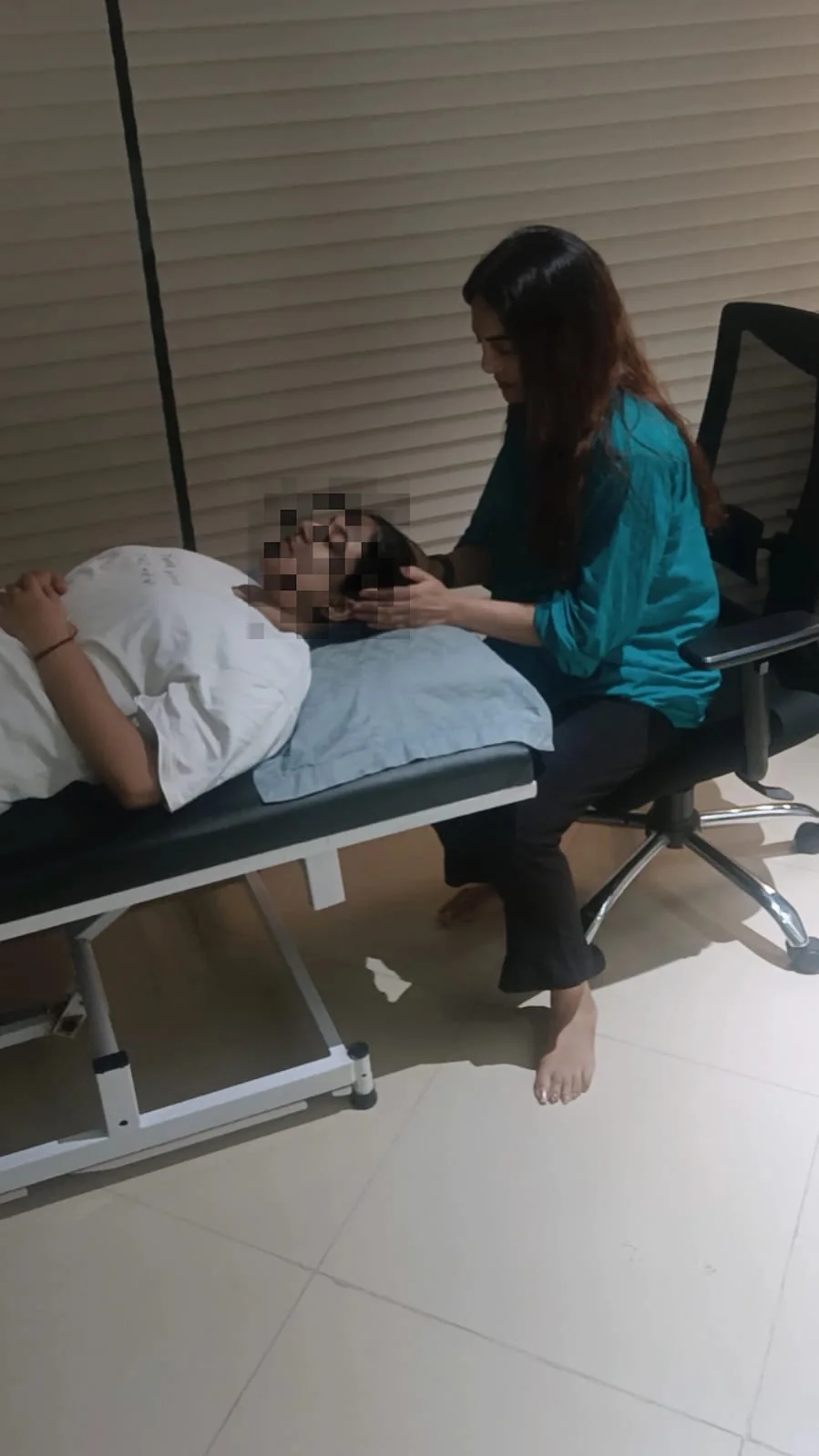
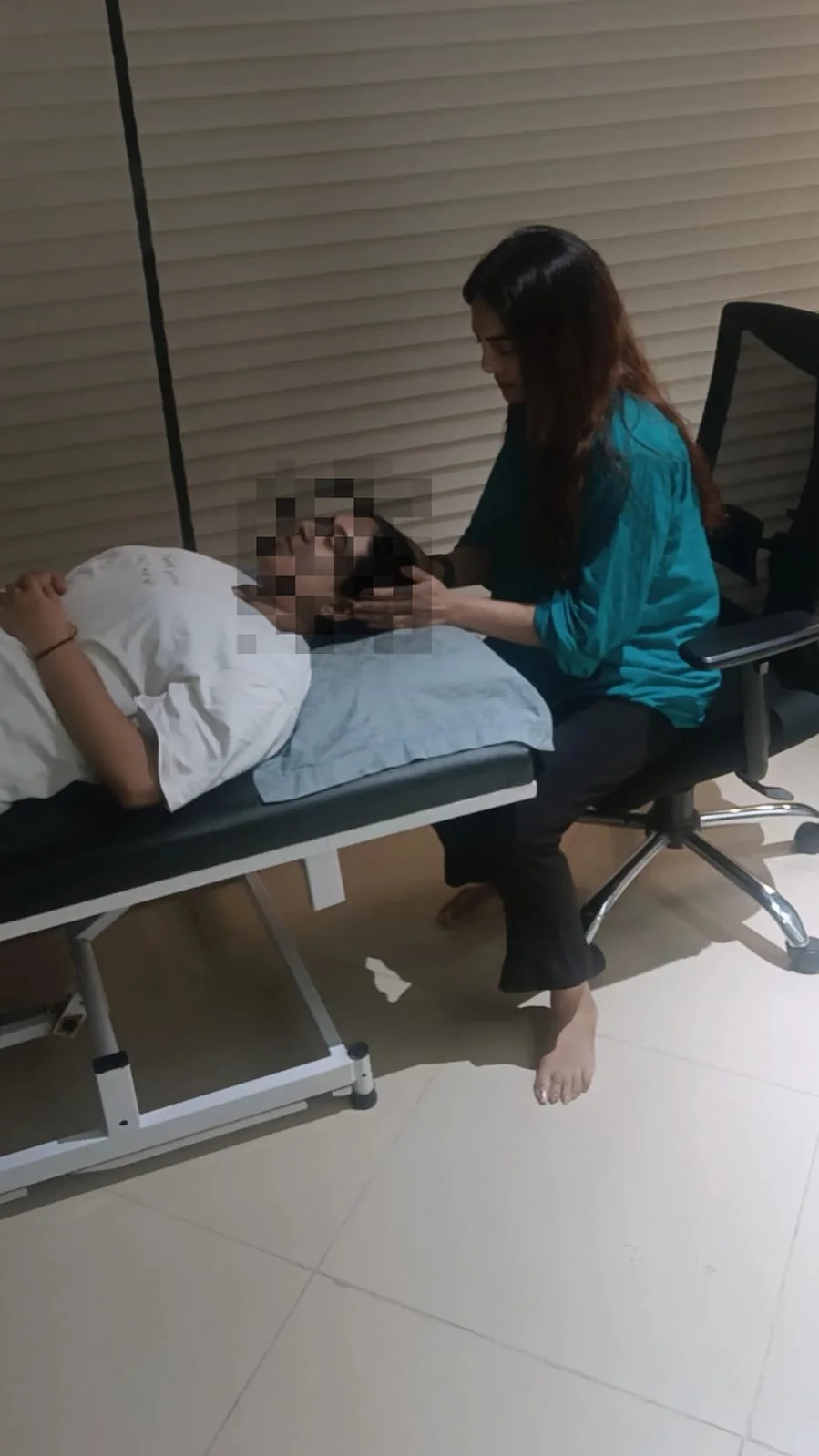
Settling is not the same as fixing. It is simply a steadier place from which to think about anything at all.
One
The importance of relaxation
Relaxation tends to be treated as a luxury, something to be earned once everything else is finished. In practice it is closer to a basic maintenance task, and one that is easily crowded out by a full week.
What counts as relaxing is genuinely personal. For one person it is stillness and quiet, for another it is movement, music, company or being outdoors. There is no correct version, and a technique that works beautifully for someone else may be of no use at all.
Within a session, relaxation is usually approached deliberately: a period of settling, a slower pace, and an unhurried attention to how a person actually feels. Many people describe this as valuable in its own right, quite separately from anything else that is discussed.
It is worth being straightforward about the claim being made here, which is a modest one. Relaxation is offered as an experience that some people find helpful. It is not offered as a treatment, and it is not suggested that it changes anyone's clinical picture.
Two
Managing everyday stress
Not the dramatic kind. The accumulated, ordinary kind that builds through a week without ever announcing itself.
Most stress does not arrive as a single event. It gathers: a series of small demands, a shortage of time, a night of poor sleep, and then a week that feels harder than any individual part of it would explain.
Because it accumulates quietly, it is often only noticed at the point where it has already become substantial. Some people find that simply naming it earlier, without dramatising it, makes it easier to respond to sensibly.
Responses vary widely and they do not need to be elaborate. Pausing between tasks, deciding what genuinely has to happen today, asking for help sooner, or protecting a short period of the day are all ordinary things, and ordinary things are usually the ones that survive a difficult week.
Where stress is persistent, severe, or affecting daily life, the right step is a conversation with a doctor or a qualified mental health professional rather than a self-managed approach.
Three
Personal coping strategies
Coping is not a single skill that a person either has or lacks. It is a collection of habits, most of them already present, some more useful than others, and all of them changeable over time.
What is already working
Most people have coping strategies they have never named. Conversations often begin by identifying those, because building on something that already exists is usually easier than importing something new.
What is worth adjusting
Some responses help in the moment and cost something later. Noticing that pattern is not a matter of judgement, and change, where it is wanted, tends to work best when it is gradual.
What is worth adding
A small number of reliable responses is generally more useful than a long list of good intentions. What is added should be realistic on an average day, not an ideal one.
What needs someone qualified
Some difficulties are beyond the scope of a complementary approach. Recognising that, and saying so, is part of what makes the rest of the conversation trustworthy.

Four, five and six
Guided imagery, focused attention and self-awareness
Guided imagery
Imagery uses descriptive language to help a person picture something clearly: a calm place, a situation they would like to approach differently, or an intention they have chosen. It draws on an entirely ordinary human ability, and it is used with the person's agreement and involvement throughout.
Focused attention
Focused attention means holding one thing steadily in mind instead of many things loosely. Most people find their attention naturally wanders, particularly when tired, and part of the value here is the experience of an unhurried, single-tracked few minutes.
Self-awareness
Self-awareness in this context is undramatic. It means noticing patterns: when energy tends to dip, which situations reliably feel harder, and what tends to be forgotten first when a week gets busy. Noticing is not the same as solving, but it is usually where anything useful begins.
The important part
A Complementary Perspective
Relaxation and hypnotherapy may complement, but do not replace, appropriate medical and psychological care.
That sentence is worth reading slowly, because it defines everything on this page. Complementary means alongside. It means in addition to. It never means instead of.
In practice, this means that a person's diagnosis, monitoring, medication and medical reviews continue exactly as their healthcare professional has advised, whether or not they ever explore a relaxation-based approach. It means that emotional difficulties of any significance belong with a qualified mental health professional. And it means that nothing described here should ever be treated as a reason to delay seeking proper care.
To be completely clear
Relaxation does not lower blood glucose, does not treat diabetes, and does not reduce anyone's need for medical care or prescribed medication. Individual experiences of relaxation vary, and no outcome is promised.
If a quieter approach appeals
You are welcome to ask whether this would suit you
Vibha Jain can talk through what a relaxation-based, complementary approach involves and whether it is appropriate in your circumstances.